+

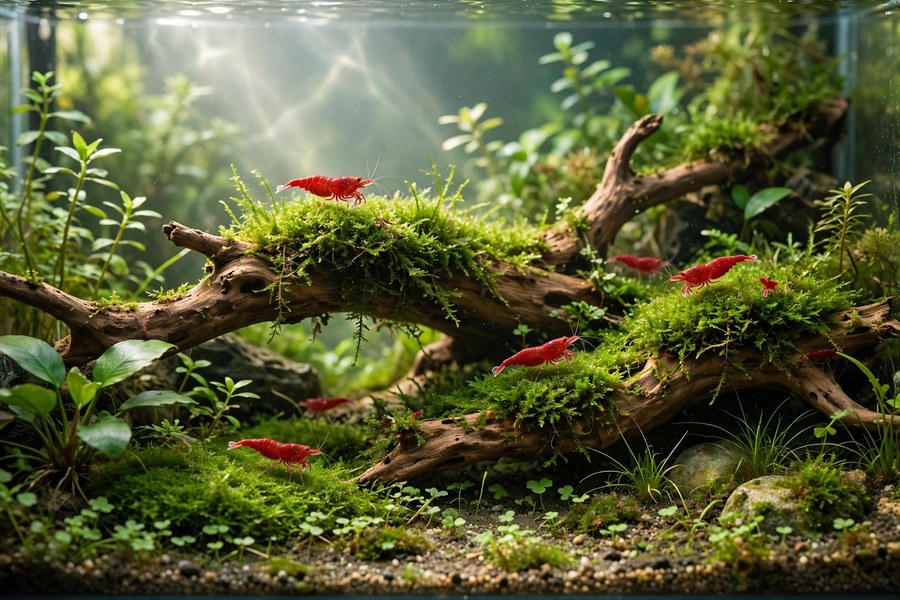
Shrimp keepers hear one rule more than any other: never skip a water change. Yet many thriving shrimp tanks seem to run for months with barely any water changed at all, so what actually happens if you stop? The honest answer is that it depends on your tank's balance, and understanding why water changes exist in the first place is the key to knowing when you can ease off and when you absolutely cannot.
Key takeaways
A water change means removing part of the tank's water, usually 10 to 50 percent, and replacing it with fresh water suited to your livestock. It dilutes everything dissolved in the water at once, which is both its strength and its risk. Done gently and regularly, it is the simplest way to reset a tank toward safe conditions.
Shrimp are far more sensitive to sudden change than most fish. A keeper chasing perfect parameters with constant adjustments can end up stressing a colony more than stable, slightly imperfect water ever would. Once parameters settle, even if they are not textbook ideal, shrimp usually thrive — the goal is a tank that stays the same day after day.
Shrimp and fish waste produces ammonia, which is highly toxic. Beneficial bacteria convert ammonia into nitrite, which is still harmful, and then into nitrate, which is much less toxic. The problem is that the chain stops there in most home aquariums: standard filters do not provide the oxygen-free conditions needed to turn nitrate into nitrogen gas, so nitrate simply keeps building up.
That slow nitrate climb is the main reason water changes became a rule. Left alone for long enough, nitrate reaches levels that stress shrimp, dull their colour and eventually threaten the whole colony. Regular partial changes are the easiest way to keep that climb in check, which is why cycling a tank properly matters so much before shrimp ever move in.
Beyond nitrate, water changes clear out hormones and other compounds that slowly accumulate in a closed tank. They also come with a hidden cost: every change disturbs the tank. You may scrub bacteria off the glass, stir up the substrate, or even release pockets of hydrogen sulfide gas from deep gravel. For shrimp, that disturbance is a real risk, so smaller, gentler changes beat dramatic overhauls.
Live plants absorb ammonia, nitrite and nitrate as they grow, which is why heavily planted tanks can go longer between changes. Growth speed is the deciding factor: a slow grower like Anubias, sprouting one leaf a month, barely dents nitrate levels. Fast growers such as water sprite and water wisteria pull far more waste out of the water, and a tank full of them behaves almost like a second filter. Floating plants help too, as our guide to red root floater explains.
The table below sums up how different setups handle nitrate between changes.
| Setup | Nitrate handling | Water-change rhythm |
|---|---|---|
| Bare tank, light stocking | No plant uptake; nitrate climbs steadily | Weekly 20–30% changes |
| Slow-growing plants only | Slight nitrate uptake | Weekly 10–20% changes |
| Fast-growing plants, heavy planting | Strong nitrate uptake | Smaller, less frequent changes possible |
| Walstad-style, very low stocking | Plants + soil biology absorb most waste | Minimal changes, but testing is essential |
Even tanks with glass lids lose water to evaporation, and topping off is essential: without it the water level simply keeps dropping until there is no tank left. Top-offs do not remove nitrate, though, since only pure water evaporates while dissolved waste stays behind. Think of topping off as maintenance and water changes as cleaning — you need both, but they do different jobs.
If regular water changes are working for your colony, there is no reason to stop. A routine your shrimp already tolerate is worth more than an experiment. If you do want to reduce them, go slowly: stretch the interval a little, test nitrate weekly, and watch the shrimp themselves. Fading colour, deaths with no clear cause, or shrimp that stop eating are all signals to return to your previous routine and find the real problem.
That patient, observation-first approach is the same habit behind a low-effort maintenance routine that keeps tanks stable without constant intervention. And if you ever design a shrimp tank around driftwood and moss, a natural hardscape from CozyWoodLab gives grazing shrimp the surfaces and shelter they love while your water routine keeps the colony safe.
Tip: change less water, more often, rather than a lot of water rarely. Small 10% changes keep parameters steady and rarely startle shrimp, while a sudden 50% change can swing temperature and minerals enough to trigger moulting problems.