+

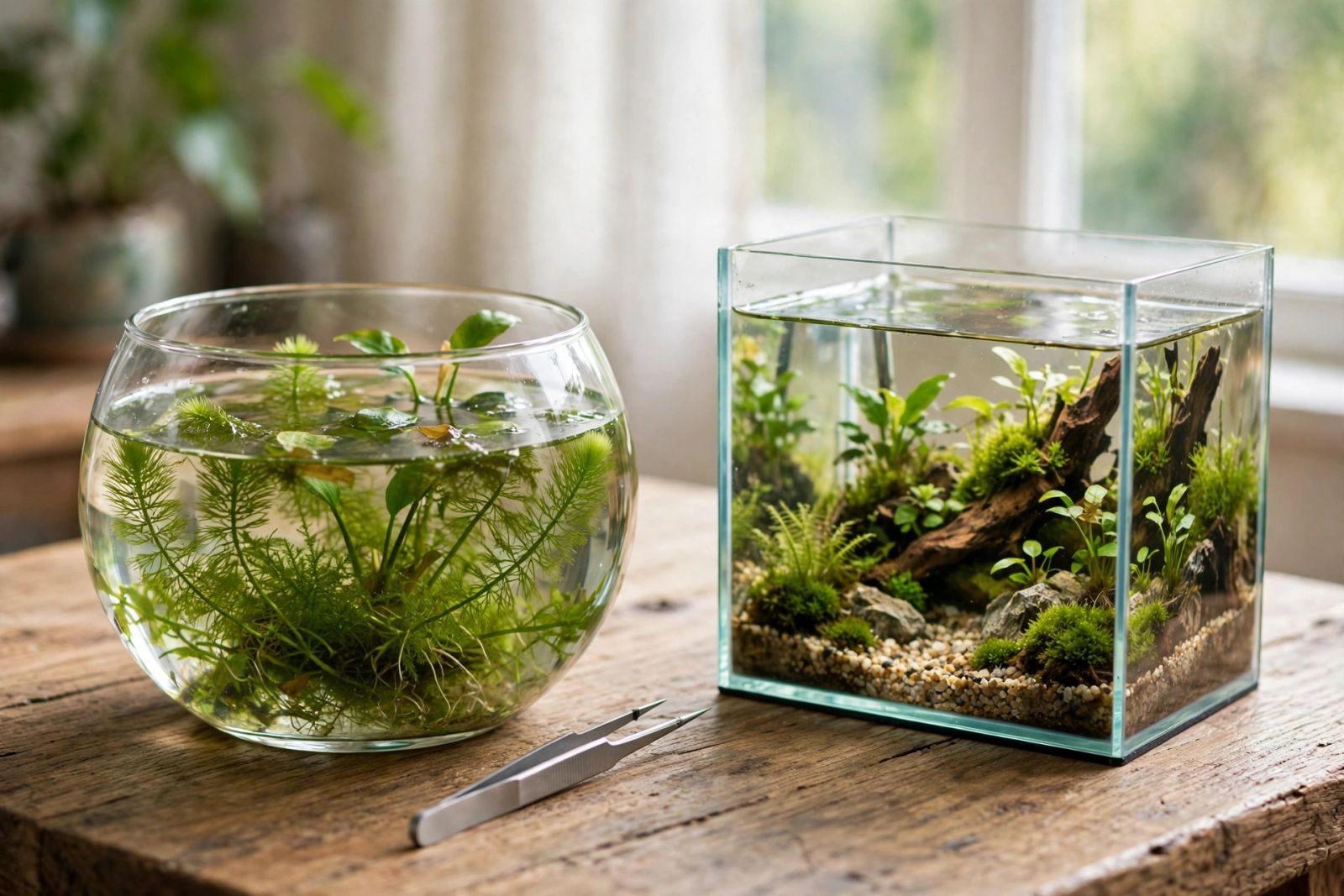
You get the bundle in the mail, plant it carefully into the aquasoil, and step back to admire your work. Two weeks later, tiny gelatinous blobs are crawling up your pristine glass. Congratulations — you just imported a bladder snail army. This is not a rare accident. It is the normal outcome of how aquarium plants are grown, and it is entirely preventable if you treat every new plant like a Trojan horse.
Most commercial aquatic plants are not grown in sterile indoor labs. They are cultivated in outdoor vats and greenhouse ponds, where snails are actually the good guys — eating algae off delicate leaves and keeping nursery water clean. But when a worker bundles up your Rotala or Java Fern, nobody is checking every leaf for microscopic, translucent egg clutches.
Those eggs survive the dark shipping box just fine, and once they hit your tank's warm, nutrient-rich water, they hatch. Because pest snails reproduce asexually, a single hitchhiker can turn into dozens within a month.
You cannot just rinse new plants under the tap and expect eggs to fall off — they are essentially glued to the stems. Bleach dips are popular, but they are harsh and easily melt fragile plants. Alum is the gentler, more reliable choice, and you can find the powder in the spice aisle of most grocery stores.
| Method | How it works | Verdict |
|---|---|---|
| Tap-water rinse | Washes loose dirt off | Not enough — eggs are glued to stems |
| Hand-picking | Remove visible snails by hand | Losing battle — eggs hide in roots |
| Bleach dip | Strong disinfectant soak | Works, but harsh and easily melts fragile plants |
| Alum dip | 1 tbsp alum per gallon, 1–2 hours | Best balance: lethal to snails and eggs, gentle on plants |
Stick to the 1–2 hour window: longer soaks risk stressing sensitive tissue, and the dip is safe for the vast majority of aquarium plants, including delicate mosses, when the timing and rinse are respected. For the rinse water, use a proper dechlorinator — what each type of water conditioner actually does explains which bottle to reach for.
Even after a successful dip, never throw plants directly into your main display tank. Set up a cheap plastic bin with a small sponge filter and a desk lamp, and let the dipped plants sit there for about a week.
That week buys you a real buffer to spot any freak survivor snails, aggressive algae, or fungal issues before they ever reach your display — and it lets the plants recover from shipping and dipping in calm water. If algae does appear in quarantine, identify it before treating: identify your algae type first, then fix the root cause.
You can try, but you will inevitably miss microscopic egg clutches hidden deep in the root structures. Hand-picking is a losing battle against something that reproduces this fast. A dip plus quarantine is the only routine that reliably breaks the cycle.
The same discipline applies to the rest of tank care: a simple weekly routine keeps small problems from becoming outbreaks — see the lazy keeper's guide to a clean aquarium.
No. Bladder, ramshorn, and pond snails will not hurt fish or eat healthy plants. They become a visual eyesore once the population explodes, not a genuine threat to tank health. Some aquascapers genuinely love them as a free cleanup crew.
But if you want a pristine, distraction-free aquascape, you have to be proactive — dip it, quarantine it, and keep your glass perfectly clear. Once your new plants are clean, they are ready for a low-demand planted setup: 10 easy aquarium plants that grow without CO2 is a good planting list to start from.
Tip: Pair that discipline with natural hardscape from CozyWoodLab, and the plants you worked so hard to protect finally get the clean stage they deserve.